P.O.Box 282626, Dubai, United Arab Emirates
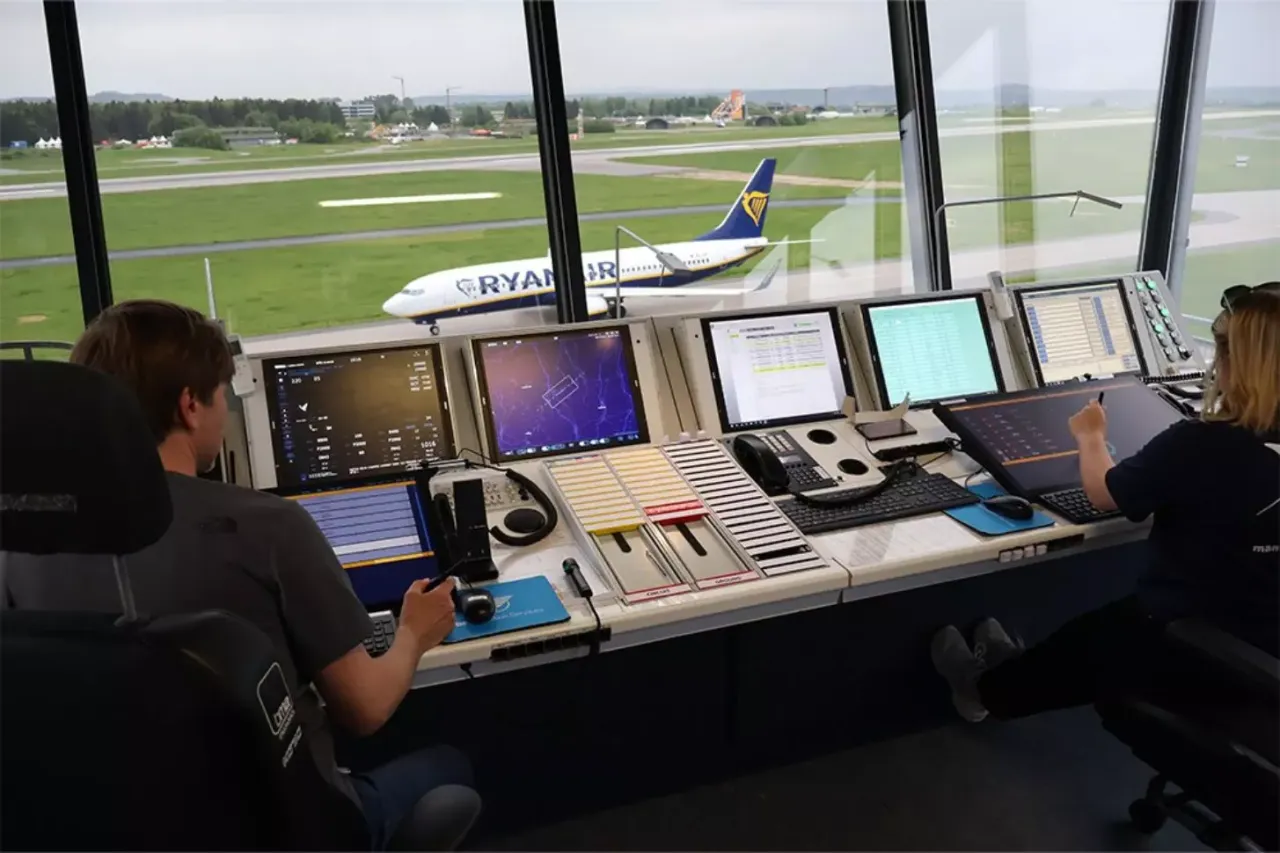
24/7 Flight Watch & Operational Monitoring
12 months ago
24/7 Flight Watch & Operational Monitoring
24/7 Flight Watch & Operational Monitoring: Skyline’s Constant Vigilance for Safe Skies
In aviation, real-time awareness is everything. Delays, rerouting, weather shifts, and regulatory changes can occur at a moment’s notice. That’s why Skyline provides a robust 24/7 Flight Watch & Operational Monitoring service — to keep your flights tracked, managed, and responsive throughout their journey.
What is Flight Watch?
Flight watch (also known as flight tracking or operations monitoring) is the continuous monitoring of aircraft in-flight and on-ground. It involves:
Real-time position tracking
Alerting for deviations from planned routes
Monitoring weather patterns and en route hazards
Coordinating alternates, diversions, and route changes
Managing communications with air traffic control (ATC) and ground operations
Liaising with stakeholders (crew, dispatchers, customers)
Providing updates and contingency support as needed
This vigilant oversight helps prevent surprises and maintain tight operational control.
The Importance of 24/7 Monitoring
Given the dynamic nature of aviation, 24/7 monitoring is essential for:
Safety: Early detection of deviations, turbulence, or emergencies allows prompt intervention.
Operational Integrity: Ensuring flights adhere to planned profiles and catch deviations early.
Regulatory Compliance: Maintaining records, coordinating with authorities, and responding to NOTAMs and FIR changes.
Customer Transparency: Providing clients with real-time updates builds trust and confidence.
Contingency Support: Rapid decision-making in flight diversions, holds, or emergencies.
How Skyline’s Flight Watch Works
Skyline’s flight watch service combines sophisticated tools, expert staff, and proactive protocols to guarantee top-tier monitoring.
Integrated Tracking Platforms: We use advanced flight tracking systems to monitor aircraft position, speed, altitude, and route adherence.
Operations Control Center (OCC): A dedicated team operates 24/7, analyzing flight data, issuing alerts, and coordinating responses.
Weather & NOTAM Integration: Real-time weather data, airspace notices (NOTAMs), and aviation alerts feed directly into our monitoring systems.
Stakeholder Communication: We maintain communication with pilots, dispatch, ground handlers, and clients to ensure alignment and rapid response.
Escalation Protocols: Clear thresholds and procedures for when deviations or incidents need immediate intervention.
Key Features & Capabilities
Route Deviation Alerts: Instant alerts if the aircraft strays from planned paths.
ETA Adjustments: Recalculations and updates based on delays or reroutes.
Alternate Planning: Pre-planned alternatives ready for diversion if needed.
Flight Status Updates: Scheduled notifications for stakeholders (crew, clients, ground teams).
Custom Monitoring Levels: Adjust monitoring depth (e.g. enhanced for critical missions).
Post-Flight Reporting: Complete logs and incident summaries for analysis and compliance.
Benefits of Skyline’s 24/7 Flight Watch
Operators who use Skyline’s monitoring service gain:
Greater Safety Oversight: Continuous surveillance helps detect and respond to anomalies early.
Operational Resilience: Early interventions reduce the impact of delays or disruptions.
Better Decision Support: Real-time data allows proactive decision-making mid-flight.
Client Confidence: Clients feel secure knowing their flight is under constant observation.
Cost Avoidance: Diverting early or optimizing reroutes protects against fuel waste or fines.
Seamless Coordination: Ground handling, crew services, and permits remain aligned with changes.
Real Scenario: Mid-Flight Diversion Management
Envision a charter flight over southern Europe en route to North Africa. Mid-flight, unexpected severe weather emerges along the original route. Without a robust monitoring system, the crew might miss critical updates and face turbulence or delays.
Skyline’s operations team, monitoring the aircraft in real time, detects the weather risk, alerts the crew, and coordinates an alternate route. Simultaneously, ground operations at the diversion airport are alerted, fuel is arranged, and passengers remain confident as updates flow seamlessly.
This kind of in-flight support ensures safety, timeliness, and confidence in the mission.
Best Practices for Operators
Share Full Flight Plans: Provide the intended route, alternates, and fuel planning details upfront.
Maintain Communication Lines: Ensure crew, dispatch, and ground services have open, defined channels.
Allow Flexible Options: Be ready to accept alternate airports or adjustments if monitoring flags issues.
Review Post-Flight Analysis: Use Skyline’s post-flight reports to refine future planning and risk mitigation.
Understand Monitoring Tiers: For critical or VIP missions, opt for enhanced monitoring (e.g. minute-by-minute updates).
Why Skyline Excels in Flight Watch
Skyline stands out in this domain because:
Proactive culture: We don’t just observe — we intervene when necessary.
Integrated systems: Tracking, weather, NOTAMs, and communications all tie together in one coherent platform.
Skilled analysts: Each mission is watched by experienced operations controllers who anticipate risks.
Global coverage: No flight is outside our reach; every leg is watched with the same attention.
Transparent feedback loop: Our post-flight insight helps you refine future operations.
Conclusion
In aviation, staying one step ahead can make all the difference. Skyline’s 24/7 Flight Watch & Operational Monitoring ensures your flights don’t just fly—they adapt, respond, and succeed under any conditions. From safety to reliability to client trust, this service is a keystone of modern aviation operations
Latest posts




Newsletter
Want to know about